Acne
Acne develops when hair follicles become blocked with oil and dead skin cells, allowing bacteria to multiply and inflammation to follow. It ranges from blackheads and whiteheads (comedonal acne) through red bumps and pus filled spots (inflammatory acne) to deep, painful nodules and cysts (nodulocystic acne). It most often affects the face, chest and back. Adult acne, particularly in women along the jawline, and acne that flares with the menstrual cycle are common and are treated somewhat differently from teenage acne.
Rosacea
Rosacea causes persistent redness of the central face, flushing, visible small blood vessels and, in some people, red bumps and pustules that resemble acne without blackheads. It usually begins after age 30. Subtypes include predominantly redness and flushing, papules and pustules, thickening of the skin most often on the nose, and ocular rosacea, which causes gritty, red, irritated eyes and can affect vision if untreated.
Common triggers include sun, heat, cold wind, hot drinks, alcohol, spicy food, exercise and emotional stress. Identifying and limiting personal triggers is part of treatment, alongside daily sunscreen and gentle, fragrance free skin care.
Assessment at DermCare
Your dermatologist examines the skin, grades the type and severity, looks for scarring and asks about previous treatments, menstrual history where relevant, medications and how the condition affects you. Blood tests are arranged only when a hormonal cause is suspected or when a treatment requires monitoring. In rosacea the eyes are checked, and ocular symptoms may prompt a referral to an ophthalmologist.
Treatment options: acne
Topical therapy
Topical retinoids, benzoyl peroxide, topical antibiotics used in combination, and azelaic acid are the mainstay for mild to moderate acne and for maintenance after other treatments. Results take eight to twelve weeks and continued use prevents relapse.
Oral antibiotics
For moderate inflammatory acne, oral antibiotics of the tetracycline class are used for a limited course, always with a topical retinoid or benzoyl peroxide to reduce antibiotic resistance and to continue control after the course ends.
Hormonal options
In women, combined hormonal contraceptives and anti-androgen therapy can be very effective, particularly for jawline acne that flares before periods. Suitability depends on health history and is discussed individually.
Isotretinoin
Oral isotretinoin is the most effective treatment for severe, scarring or treatment resistant acne and often produces long term remission after a single course of several months. It requires blood tests before and during treatment, and strict pregnancy prevention for anyone who could become pregnant, because it causes serious birth defects. Dry lips and skin are expected. Your dermatologist reviews you regularly throughout the course.
Treatment options: rosacea
Topical therapy
Topical anti-inflammatory and antiparasitic agents reduce papules and pustules. Topical agents that constrict blood vessels can reduce background redness for several hours at a time.
Oral therapy
Low, anti-inflammatory doses of tetracycline class antibiotics are used for papulopustular and ocular rosacea. Low dose isotretinoin is considered for resistant cases. Persistent visible vessels and skin thickening respond poorly to tablets and creams and are usually addressed with light or laser based procedures. Your dermatologist will set out which treatments suit your pattern of rosacea and how each one would be arranged.
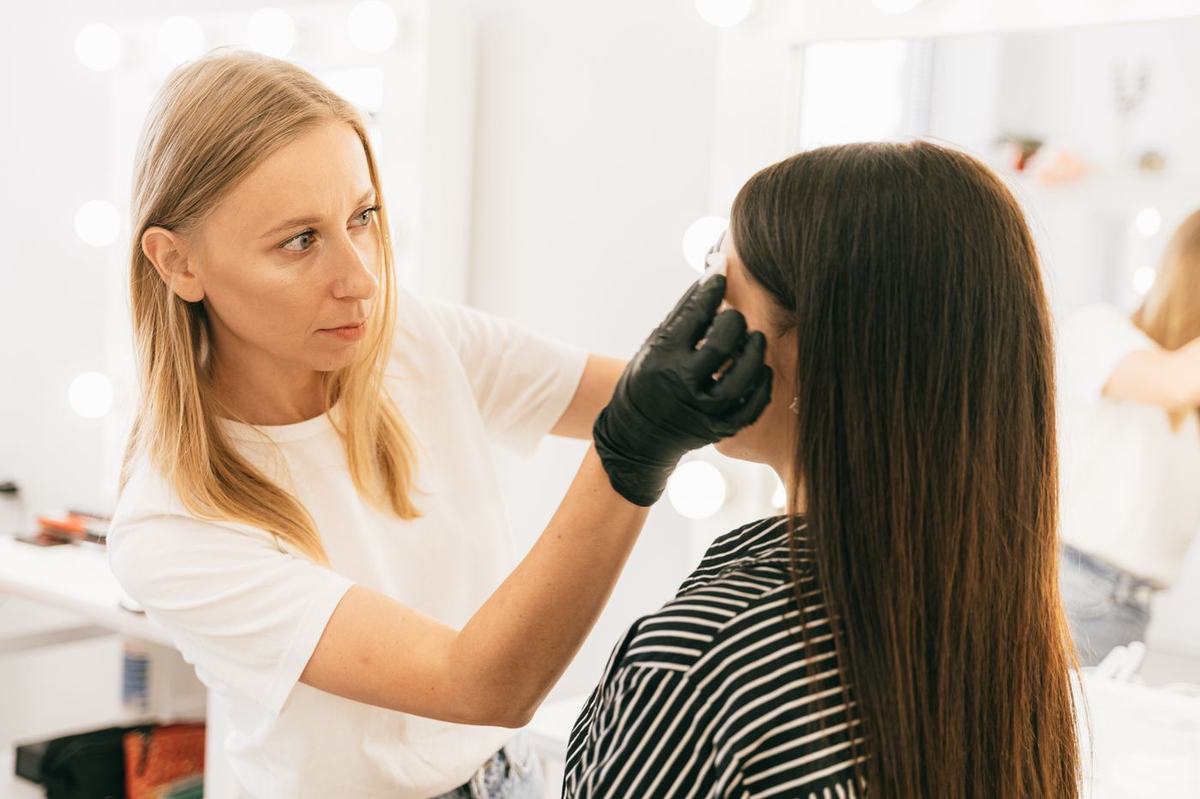
Scarring is a medical matter
Active acne that is leaving marks or pits is a reason to escalate treatment promptly, not to wait. Preventing new scars is the priority. Established scars are assessed and options discussed at the medical visit; some scar treatments are not insured by OHIP and your dermatologist will tell you which.
Clinical studies
DermCare takes part in clinical studies in dermatology. When a study for acne is open, it is listed on current studies, together with the questions the research team may ask. A study is offered alongside, never instead of, the standard care described above. No referral is needed to ask.
For referring physicians
Please indicate severity, the presence of scarring, treatments tried with duration, and for female patients the menstrual and contraceptive history. Patients with nodulocystic or scarring acne, acne unresponsive to a course of oral antibiotics with topical therapy, or rosacea with ocular symptoms are appropriate for referral. Patients being considered for isotretinoin should be referred rather than started in primary care unless the referrer is experienced with the monitoring required. How to refer.