Common childhood conditions
Eczema
Atopic dermatitis affects around one child in five and is the most common reason children are referred to a dermatologist. Itch, disturbed sleep and the effect on the whole family are taken seriously. Treatment centres on skin care and emollients, topical anti-inflammatory therapy matched to the child's age and the site, treatment of infection when it occurs, and for severe disease phototherapy or systemic therapy, several forms of which are now approved for children and adolescents. See eczema and atopic dermatitis.
Warts
Viral warts on the hands, feet and elsewhere are common in school age children and most disappear on their own within two years. Treatment is offered when warts are painful, spreading or distressing, and includes salicylic acid preparations, cryotherapy and other topical approaches. Repeated treatments are usually needed and the child's tolerance guides the choice.
Molluscum contagiosum
Molluscum causes small, smooth, pearly bumps with a central dimple, spread by skin contact and shared towels or baths. It is harmless and resolves without treatment, though this can take a year or more. Children with eczema are more prone to it. Treatment is considered for widespread, inflamed or troublesome lesions.
Birthmarks
Most birthmarks need no treatment, but assessment establishes what type they are and whether any follow up is required. Flat brown café au lait marks, congenital moles, port wine stains and the blue grey patches of dermal melanocytosis are examples. Large or numerous congenital moles, and marks in certain patterns or locations, can be associated with other conditions and may prompt further assessment or monitoring.
Infantile haemangioma
These raised red or bluish marks appear in the first weeks of life, grow rapidly over several months and then slowly shrink over years. Most need only observation. Haemangiomas near the eye, nose, lip or airway, those that are large or ulcerating, and those in areas where they may leave a mark are treated early, most often with an oral beta blocker medicine that shrinks the haemangioma, or a topical form for small superficial lesions. Because growth is fastest in the first three months, early referral matters.
Acne in teenagers
Acne affects most teenagers to some degree and is treated as a medical condition, not a rite of passage, particularly when it is inflammatory, scarring or affecting confidence. Treatment follows the same principles as in adults, adjusted for age. See acne and rosacea.
Other conditions
We also see children with psoriasis, vitiligo, alopecia areata, hidradenitis suppurativa in adolescents, rashes of uncertain cause, skin infections and reactions to medications.
Assessment at DermCare
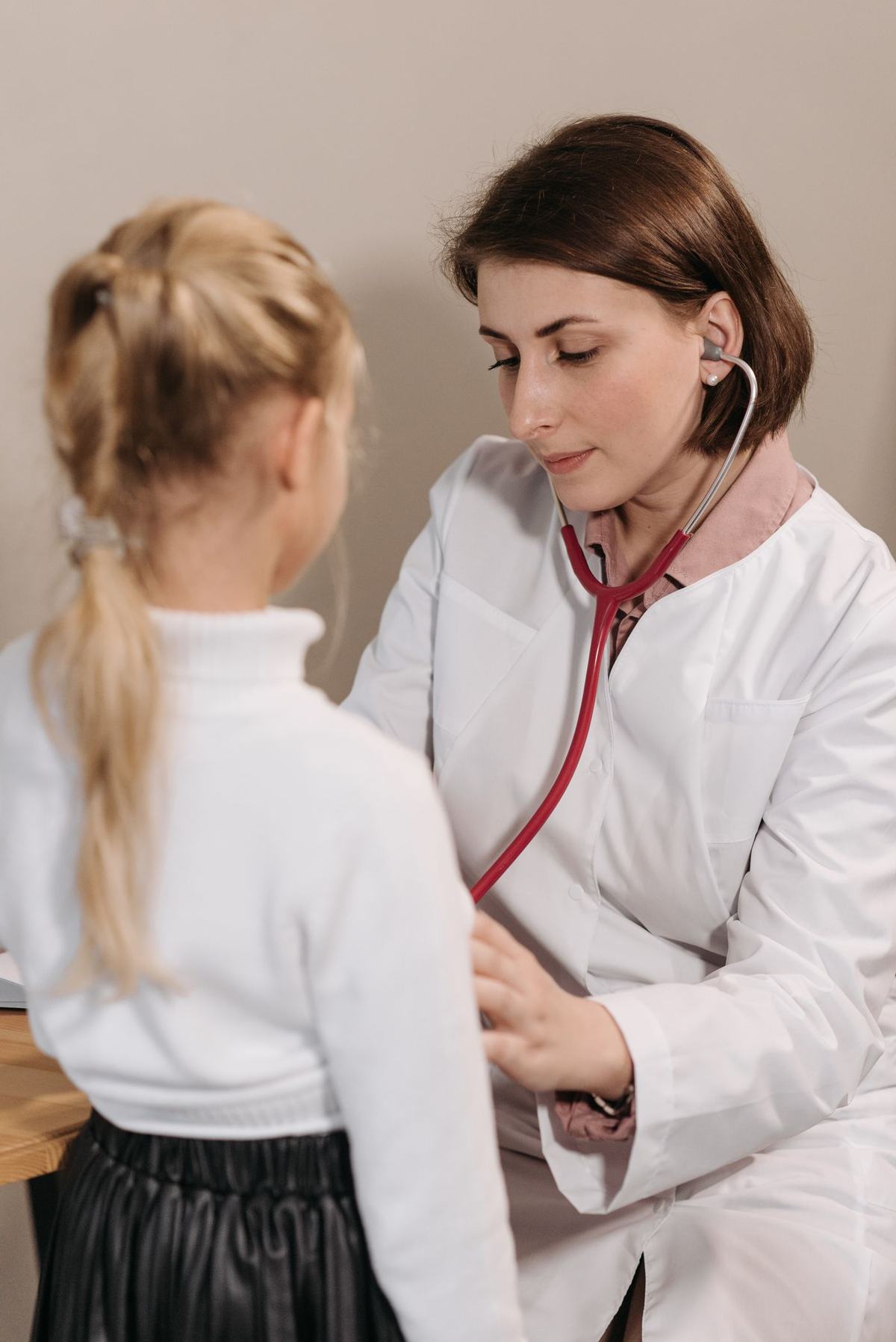
Children attend with a parent or guardian. The visit is paced for the child, with examination on a parent's lap where that is easier. The history covers when the condition started, how it affects sleep, school and play, what has been tried and any family history of skin, allergic or autoimmune conditions. Tests are used sparingly and only where they change management. The treatment plan is written so that it can be followed at home and, where needed, at school or daycare.
Phototherapy in children
Narrowband UVB phototherapy is delivered on site by our nursing team under physician order and is an option for children with widespread eczema, psoriasis or vitiligo not controlled with topical treatment. It is suitable for children who are old enough to stand still in the cabinet with goggles on for the short duration of each treatment, usually from school age, and who can attend two to three times a week. Read about how phototherapy works.
Adolescents and the current clinical study
DermCare is currently recruiting adolescents aged 12 to under 18 with hidradenitis suppurativa for a Phase 2 clinical study (ClinicalTrials.gov NCT07213973). Participation is voluntary and discussed with the young person and their parent or guardian. Details on current studies, or contact research@dermcare.ca.
For referring physicians
Referrals for children are accepted from family physicians, nurse practitioners and paediatricians. Please include the child's age, the duration and distribution, the effect on sleep and function, treatments tried with strength and duration, and any relevant family history. Infantile haemangiomas near the eye, lip, nose or airway, and rapidly growing or ulcerating lesions, should be flagged for early assessment. How to refer.